


This member op-ed from the Global Greengrants Fund is one of three in our series covering EGAers' COP30 perspectives.
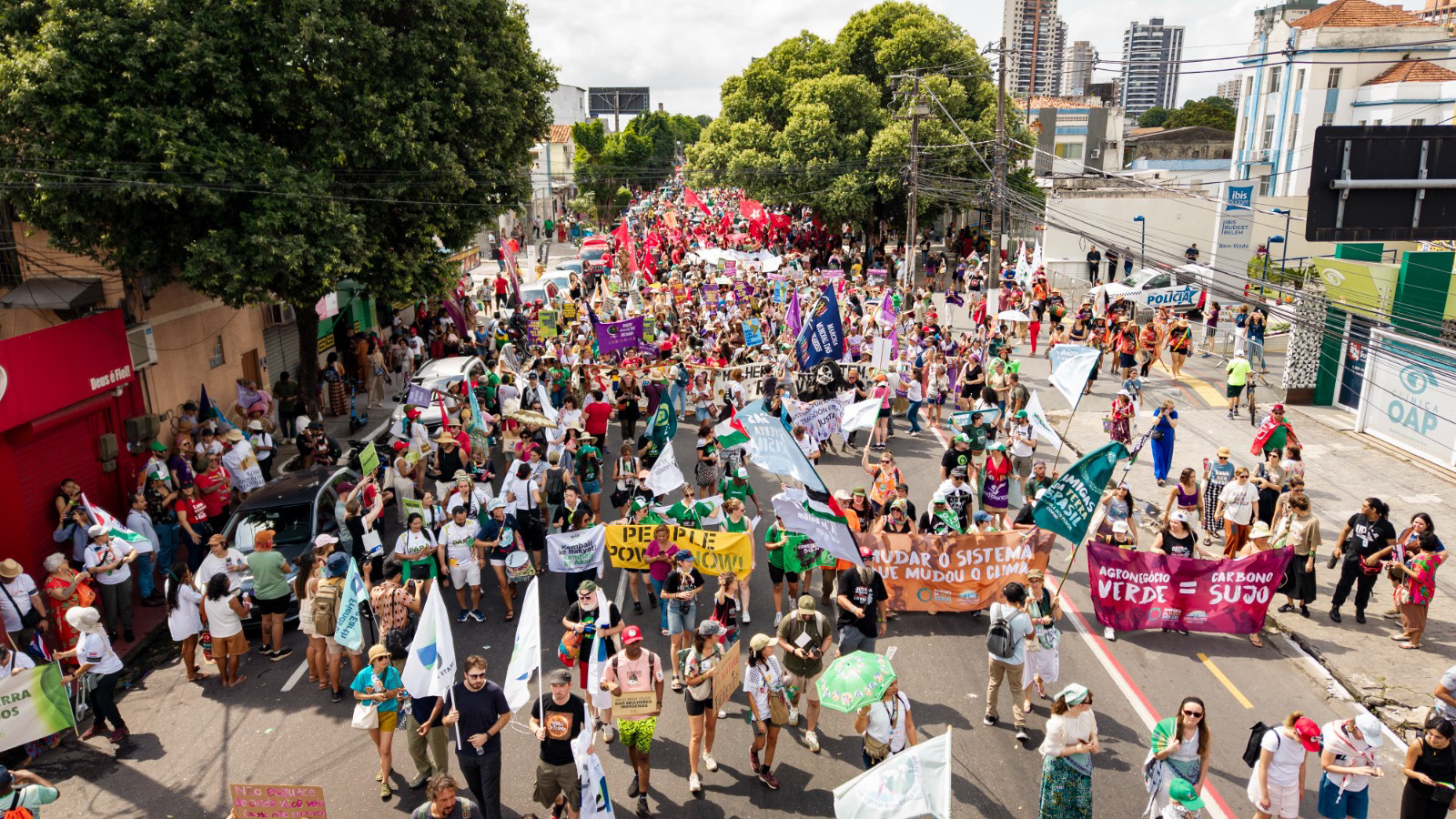
Photo credit: GGF/Pio Figueiroa
As world leaders gathered in Belém, Brazil, late last month, for COP30, global attention naturally centered on negotiations—new Nationally Determined Contributions (NDCs), climate finance roadmaps, adaptation targets, and technical texts debated line by line. But a deeper story is unfolding where movements gather, strategize, and build power together. This year, the most critical advances in climate justice are being shaped by Indigenous Peoples, feminists, youth, frontline defenders, and grassroots networks who are expanding the horizon of what is possible—both inside and outside the official COP process.
Recognizing the Limits of Official COP Spaces
Philanthropy must reckon with the structural realities of the COP process. Historically, COPs have been hosted in petrostates or settings where corporate interests wield disproportionate influence. Market-based and financialized solutions such as carbon credits and nature-commodification frameworks dominate official agendas. Large government pavilions overshadow civil society, while frontline movements whose rights, territories, and ecosystems are directly at stake face restricted access due to exclusion and prohibitive costs, thus limiting voices and impact.
These constraints are not incidental; they reflect an architecture of climate governance that was not designed for those on the frontlines of environmental harm. COP30 in Brazil has created a rare political and physical opening for movement engagement. While far from perfect, the proximity afforded to Indigenous Peoples, women’s groups, Afro-descendant organizers, feminist networks, river guardians, and youth leaders has enabled a more visible and strategic presence within and alongside negotiations.
Why Funding Grassroots Participation Matters
Philanthropy plays a critical role in resourcing this people-powered approach. Traditional funding models often center on projects and metrics, but transformation requires trust, relationships, and long-term accompaniment. For three decades, Global Greengrants Fund has practiced this trust-based model—moving thousands of flexible grants through regional advisors and local networks that understand their contexts. Our approach to COP30 follows that same principle: invest in the leadership already organizing for justice and connect them with allies to build collective political agendas and amplify impact.
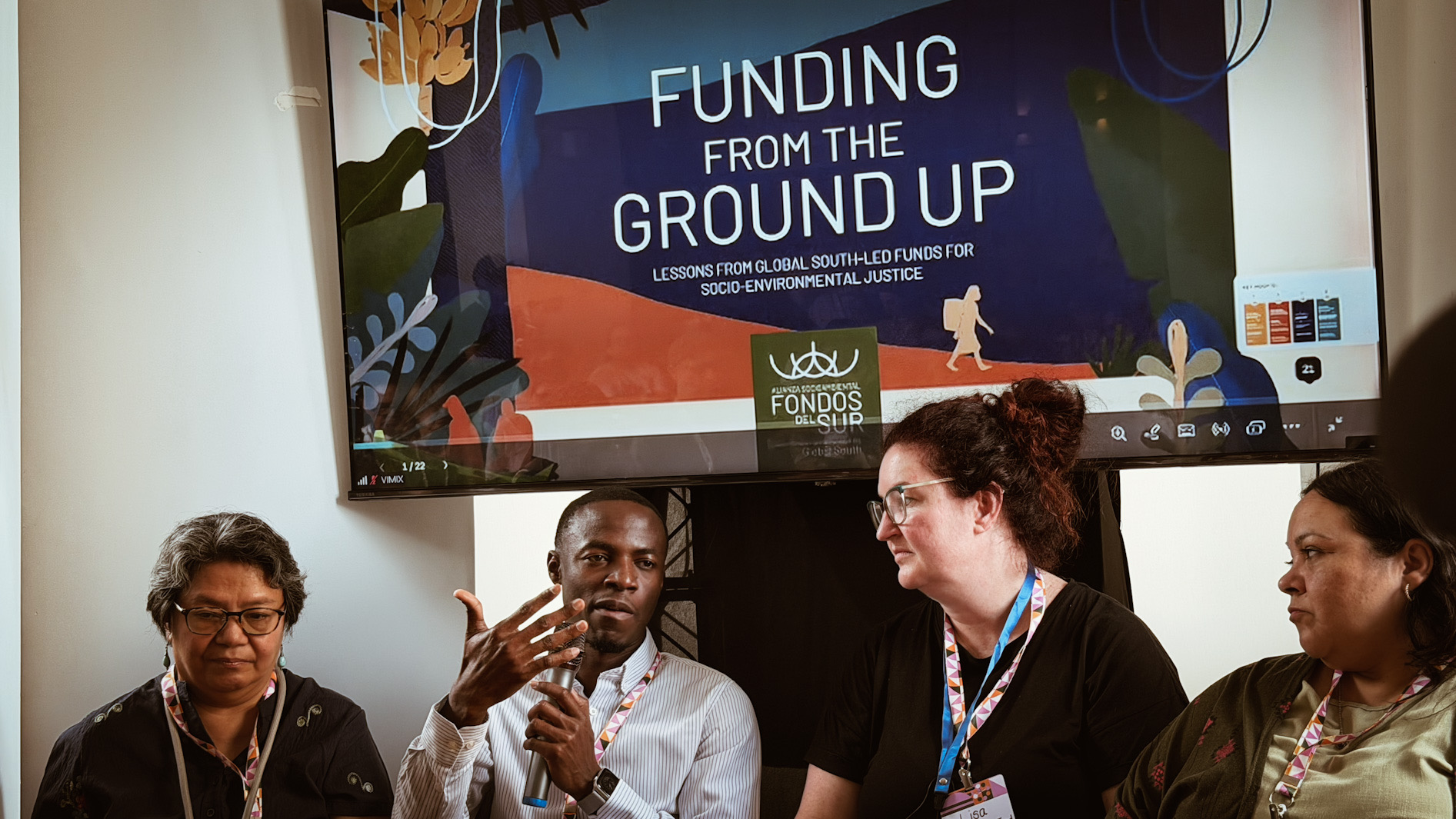
Photo credit: GGF/Pio Figueiroa
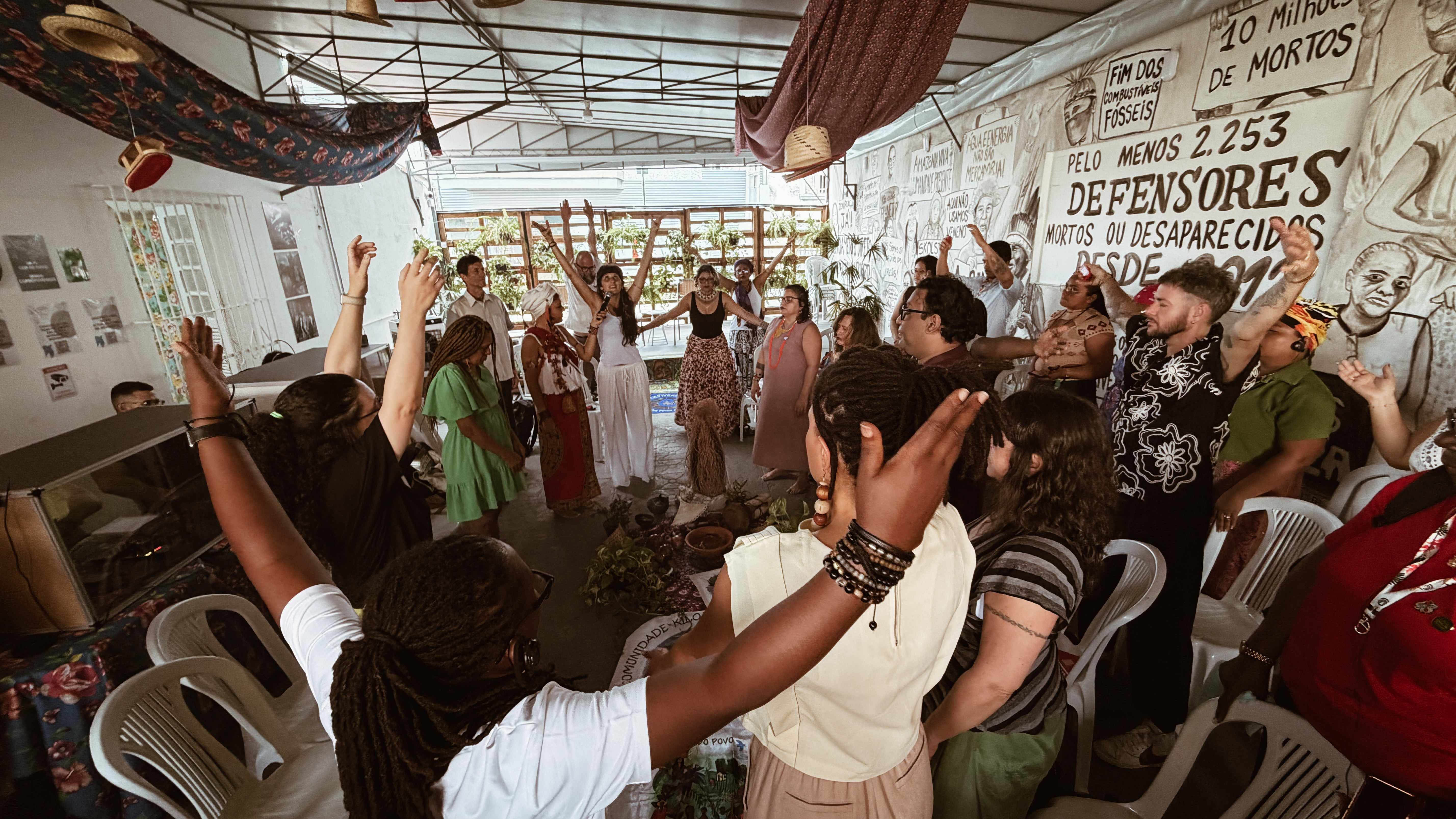
Photo credit: GGF/Pio Figueiroa
Global Greengrants Fund supported nearly fifty grassroots partners from Latin America, Africa, Asia, and the Pacific to participate in COP30 and its parallel movement spaces to ensure that those closest to environmental harm, and those with the deepest solutions, can show up and shape global debates. These spaces are indispensable because they create room for the political imagination that formal negotiations systematically constrain.
Supporting grassroots participation enables two critical functions: movements' ability to influence the agenda and movements' building power through transnational convergence. When Indigenous leaders protest at the COP venue, when the People’s Summit presents its demands to negotiators, or when feminist advocates such as WEDO work to secure the adoption of a new Gender Action Plan at COP30, it shifts what is politically possible. These actions force governments to confront realities that are otherwise invisible in sanitized negotiating rooms. COP30 has sparked powerful exchanges, including Afro-descendant women from Brazil and grassroots activists from Africa reflecting on COP30 outcomes and sharing experiences, strategies, and perspectives on advancing climate justice. Through dialogue and mutual learning, together they aim to strengthen women’s leadership, build cross-regional solidarity, and explore pathways for future collaboration on the climate justice agenda. These engagements are also politically potent, stimulating solidarity and pushback, as we’re seeing in the face of attempts to roll back previous agreed-upon language around the Gender Action Plan. Connections built on the momentum of the Nyéléni Global Forum in Sri Lanka and decades of organizing lay the groundwork for a collective roadmap for systemic transformation. These encounters are more than symbolic. They strengthen shared strategy, deepen solidarity, and nurture the long-arc infrastructure needed for systemic change.
A Long-Arc View for Philanthropy
In an era when negotiations are increasingly shaped by markets, corporations, and extractive interests, people power remains the most reliable driver of transformative climate action. Philanthropy must invest in the long-arc work of movements—supporting both their ability to intervene at moments like COP30 and their ongoing efforts to build durable, transnational organizing infrastructure.
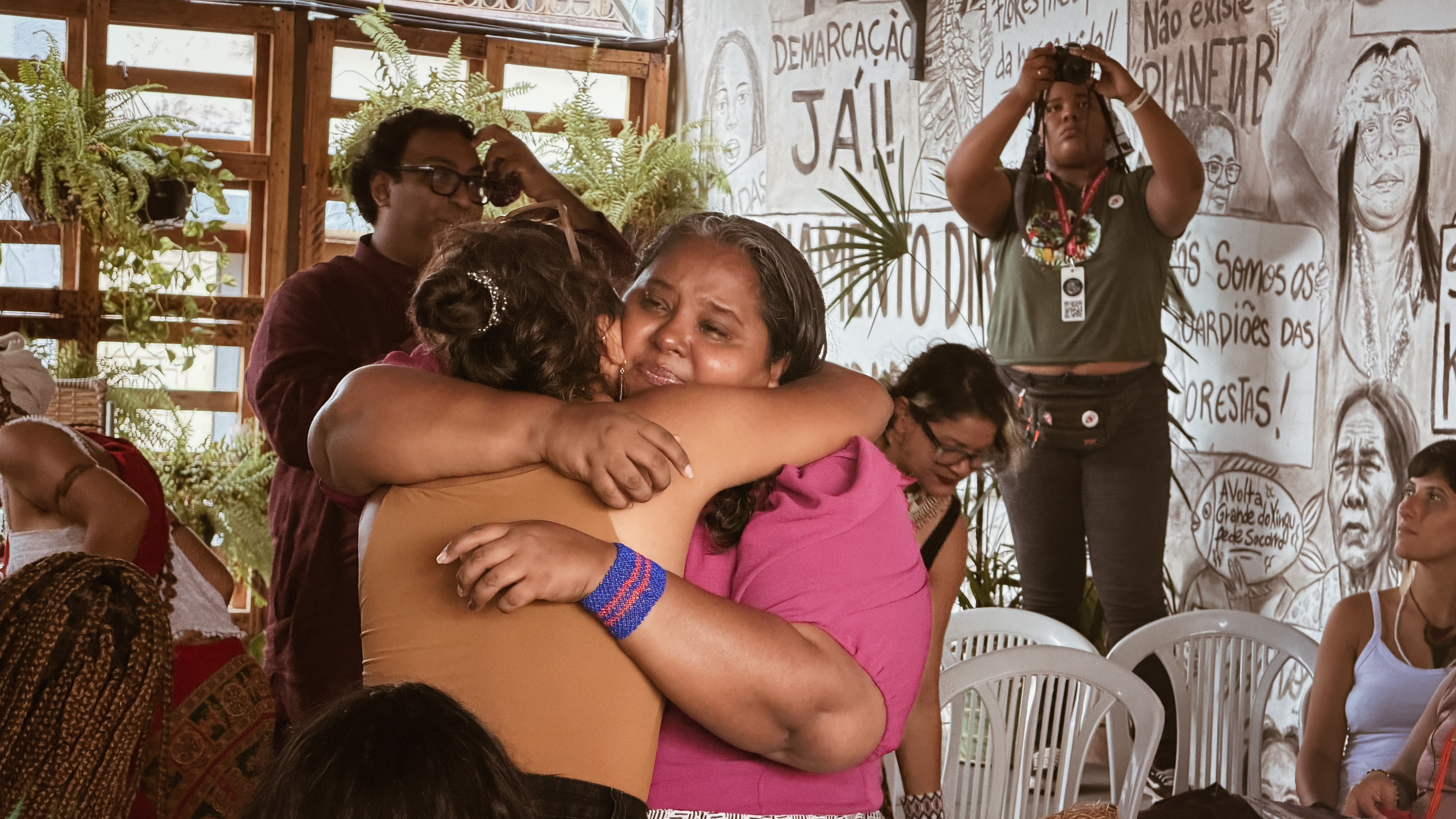
Photo credit: GGF/Pio Figueiroa
These relationships are the connective tissue of global climate justice movements. They endure long after a COP ends, resulting in a form of transnational solidarity that moves beyond borders and bureaucracy. When women defenders from Kenya exchange strategies with Indigenous leaders from Brazil, or when youth activists from the Philippines meet river guardians from the Congo Basin, they build shared understanding and power. These connections strengthen collective resistance to extractivism and open pathways for new, community-led solutions to climate and ecological crises.
As we reflect on Belém and look toward what comes next, a few things are clear. Adaptation has been a core pillar of this year’s COP negotiations, and the potential to bring a community-and-justice lens to this process beyond a litigation framework is needed.
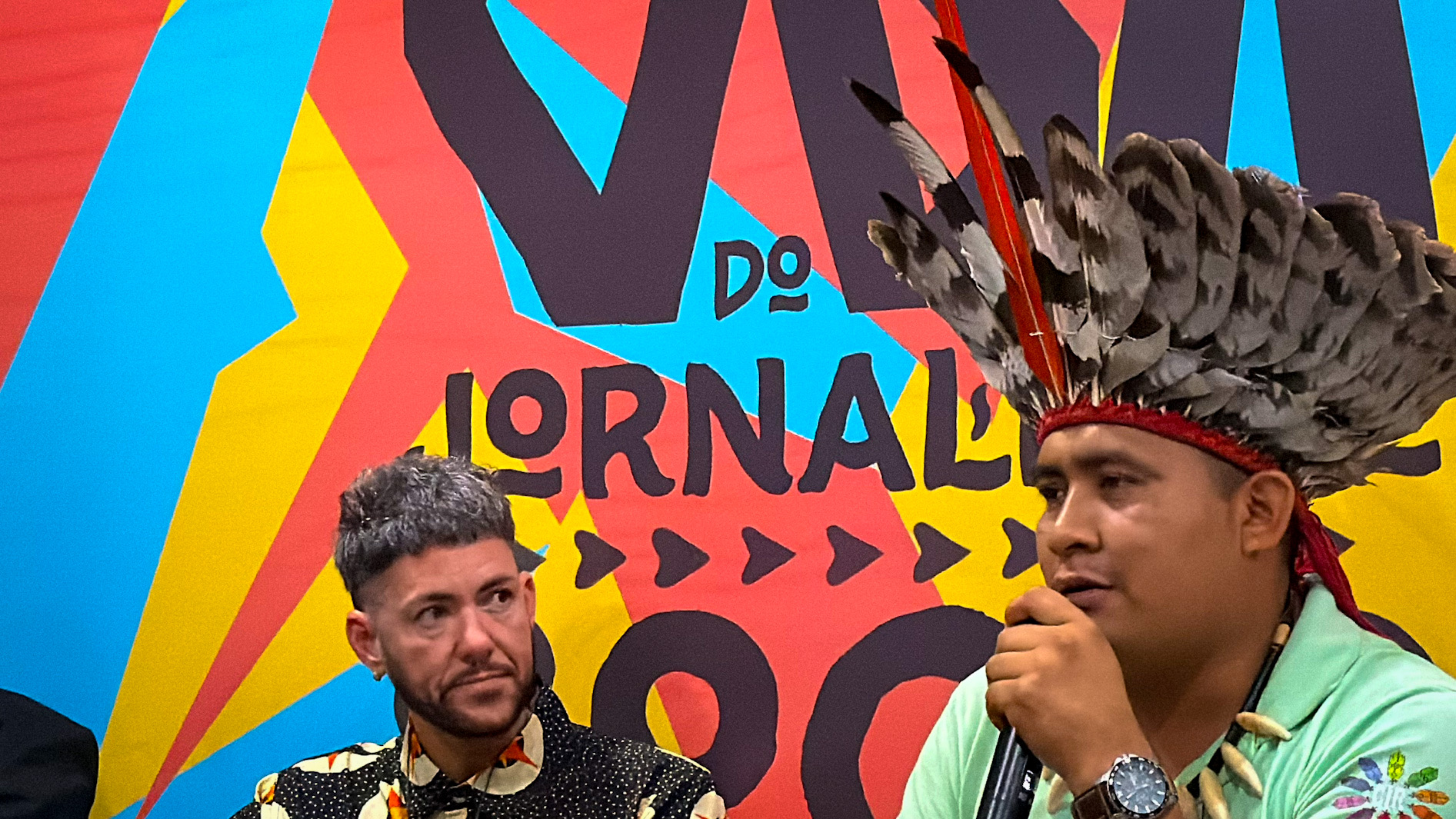
Photo credit: GGF/Pio Figueiroa
Leadership in the Global South needs unrestricted core funding, from support for repair and adaptation to shaping financial flows required to bring about needed systemic transformation. Global South movements must be funded. Indigenous Peoples, feminists, youth, frontline defenders, and intersectional grassroots movements are essential to a just transition.
Our message to fellow environmental grantmakers:
Fund the movements that make justice inevitable. Resource the spaces where people can gather, build power, and shape their own futures. Because real climate action has never originated behind closed doors—it emerges from people, in motion, together.
This member op-ed is one of three in our series covering EGAer's COP30 perspectives. We invite you to read our interviews with Casa Socio-Environmental Fund and Grassroots International as well.
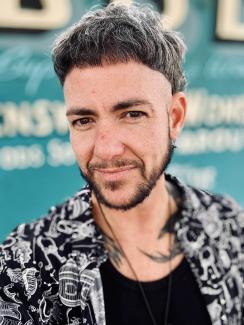
B de Gersigny is a seasoned global philanthropy professional, and queer and trans organizer from South Africa with over two decades of experience in working with movements for social change. They have led Global Greengrants Fund's communications initiatives, building strategic narratives, advocacy, and partnerships to advance environmental justice agendas. Their role includes leadership on the CLIMA Fund, developing strategies to influence large climate funders. B's expertise extends to leading strategies for increasing financial investment in climate and gender justice, developing philanthropic fieldbuilding, narrative strategy, and media engagement. Prior to Global Greengrants, B spent seven years as the Director of Communications at Astraea Lesbian Foundation for Justice, where they led the team to unprecedented growth across all communication platforms.
As a core member of the executive leadership team, they were responsible for higher-level organizational strategic leadership, establishing long-term organizational goals and priorities, developing key performance metrics and tracking methodologies, and leading people and teams. With a Masters degree from Bard College and a B.A. from the University of Cape Town, B brings a unique blend of academic knowledge and practical experience to their work. Their approach is rooted in a queer, feminist lens and a collaborative leadership style, aiming to create a world where the rights of people and the planet are not just protected, but become the blueprint for collective vitality. B's work has been featured in various prominent media outlets, and they continue to build strategic partnerships and develop impactful content to shift narratives and transform lives.